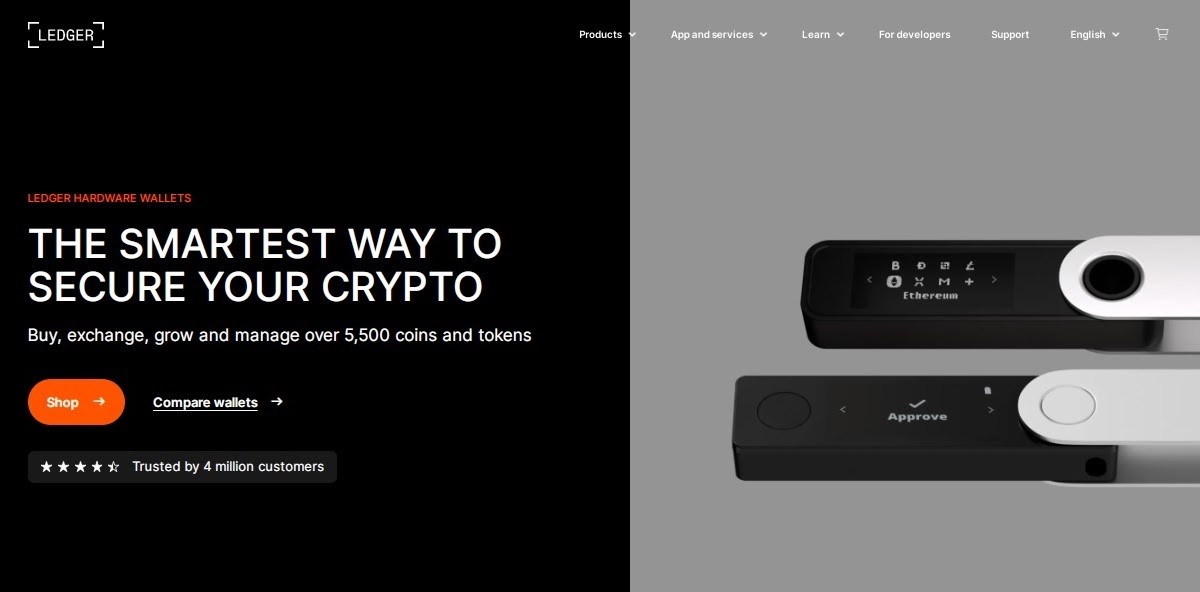
Ledger Login: A Deep Dive Into Secure Crypto Authentication
As cryptocurrency adoption grows worldwide, securing digital assets has become a top priority for both individual investors and institutions. Unlike traditional finance, crypto ownership comes with full responsibility—there is no bank to reverse transactions or recover lost credentials. This reality has made Ledger Login one of the most trusted methods for accessing and managing crypto assets securely.
Ledger Login is not a conventional username-and-password system. Instead, it is a hardware-based authentication process that prioritizes ownership, privacy, and protection. This article provides an in-depth explanation of Ledger Login, how it functions, its security architecture, user experience, potential challenges, and why it remains a preferred choice in the crypto ecosystem.
Understanding the Concept of Ledger Login
Ledger Login refers to the secure method of accessing cryptocurrency accounts using a Ledger hardware wallet in combination with the Ledger Live application. Rather than relying on online credentials, Ledger Login requires physical confirmation through a hardware device.
This design ensures that:
Private keys remain offline at all times
Authentication cannot be completed remotely
Users maintain full custody of their assets
Ledger Login is built on the principle that the safest place for cryptographic keys is outside the reach of the internet.
Why Ledger Login Is Different From Online Wallet Logins
Most online wallets and exchanges use centralized login systems. These systems store sensitive data on servers that can be targeted by hackers. Even when protected by two-factor authentication, centralized logins still present risks.
Ledger Login removes these vulnerabilities by:
Eliminating online credential storage
Requiring physical device access
Using secure elements certified against tampering
With Ledger Login, access is tied to something you physically own, not something you remember or type.
The Role of Ledger Hardware Wallets in Login Security
Ledger hardware wallets are the foundation of the Ledger Login system. Devices such as the Ledger Nano X and Ledger Nano S Plus are built with specialized security chips designed to resist both digital and physical attacks.
Secure Element Technology
Ledger devices use secure element chips similar to those found in passports and credit cards. These chips isolate sensitive data and prevent unauthorized extraction.
Offline Key Storage
Private keys never leave the hardware wallet. Even when connected to a compromised computer, the keys remain protected.
This architecture makes Ledger Login one of the most secure access methods available in crypto.
How Ledger Login Works Step by Step
Ledger Login follows a structured and secure process that ensures authentication without exposing sensitive information.
Step 1: Install Ledger Live
Ledger Live is the official software interface that connects users to their Ledger device. It allows users to view balances, manage assets, and initiate transactions.
Step 2: Connect the Ledger Device
Users connect their Ledger wallet via USB or Bluetooth, depending on the device model.
Step 3: Enter the PIN Code
The device prompts for a PIN code, which is entered directly on the hardware wallet. This PIN is never typed on a computer or phone.
Step 4: Open the Crypto App
Each blockchain requires its own app on the Ledger device. Opening the app signals readiness for secure interaction.
Step 5: Authenticate and Access
Once verified, Ledger Live grants access to accounts and allows transaction management.
This sequence defines the Ledger Login experience.
Ledger Login and Self-Custody Explained
One of the core benefits of Ledger Login is self-custody. Self-custody means the user—not a company—controls the private keys.
Why Self-Custody Matters
No third-party risk
No account freezes
No withdrawal restrictions
Full financial sovereignty
Ledger Login ensures that self-custody is maintained without sacrificing usability.
Ledger Login Across Desktop and Mobile Platforms
Ledger Login is designed to work seamlessly across multiple platforms.
Desktop Ledger Login
Ideal for portfolio management
Supports Windows, macOS, and Linux
Requires USB connection
Mobile Ledger Login
Available on iOS and Android
Uses Bluetooth (Nano X)
Convenient for on-the-go access
Both platforms maintain the same security standards.
Ledger Login and Supported Digital Assets
Ledger Login supports a vast range of cryptocurrencies, tokens, and digital assets.
Supported Asset Categories
Major cryptocurrencies (Bitcoin, Ethereum)
Altcoins and stablecoins
NFTs
DeFi tokens
Layer-2 assets
Each asset interaction requires confirmation on the Ledger device, reinforcing security.
Ledger Login in Web3 and DeFi Applications
Ledger Login plays a crucial role in Web3 environments. When connecting to decentralized applications (dApps), Ledger acts as a secure signing device.
How It Works
Ledger connects to a browser wallet
Transactions are initiated through the dApp
Ledger device displays transaction details
User confirms or rejects physically
This process protects users from malicious smart contracts and unauthorized transactions.
Common Ledger Login Issues and Their Solutions
While Ledger Login is reliable, technical issues may occasionally arise.
Connection Problems
Try a different cable or USB port
Restart Ledger Live
Update device firmware
Incorrect PIN Attempts
After multiple failed attempts, the device resets
Restore access using the recovery phrase
App Synchronization Errors
Clear cache in Ledger Live
Reinstall the specific crypto app
These issues do not compromise funds when handled correctly.
Ledger Login and the Recovery Phrase
The recovery phrase is the ultimate backup for Ledger Login.
What the Recovery Phrase Does
Restores wallet access on a new device
Works across all Ledger models
Regenerates the same private keys
Security Guidelines
Store it offline only
Never share it
Never input it into websites or apps
Ledger Login security depends heavily on safeguarding this phrase.
Ledger Login and Phishing Awareness
Many attacks target users rather than technology.
Common Phishing Techniques
Fake Ledger Live updates
Emails claiming account suspension
Websites asking for recovery phrases
How to Stay Protected
Ledger does not have a web login
Ledger never asks for recovery phrases
Always verify software sources
Understanding Ledger Login mechanics helps users detect fraud instantly.
Is Ledger Login Truly Anonymous?
Ledger Login prioritizes privacy but does not guarantee anonymity.
Privacy Features
No email or identity required for login
No centralized user accounts
No personal data storage
However, blockchain transactions remain publicly visible, as is standard in crypto networks.
Ledger Login for Long-Term Storage (Cold Holding)
Ledger Login is particularly suitable for long-term investors.
Advantages for Cold Storage
Minimal exposure to online threats
Reduced transaction frequency
Strong protection for high-value assets
Many investors use Ledger Login exclusively for long-term asset preservation.
Ledger Login for Professional and Institutional Use
Ledger offers enterprise solutions for organizations managing digital assets.
Professional Features
Multi-signature approval workflows
Role-based access control
Compliance and reporting tools
Despite advanced functionality, authentication still relies on Ledger Login’s hardware-based principles.
Benefits of Ledger Login at a Glance
Ledger Login offers several key advantages:
Hardware-level authentication
Offline private key storage
No passwords or usernames
Resistance to phishing attacks
Full user control
These benefits make Ledger Login a cornerstone of modern crypto security.
Best Practices for Secure Ledger Login
To maintain optimal security:
Keep firmware up to date
Use a strong, unique PIN
Verify transaction details on the device screen
Avoid public or shared computers
Store recovery phrase securely
Security is a shared responsibility between technology and the user.
The Evolution and Future of Ledger Login
Ledger continues to innovate with:
Improved mobile integration
Enhanced Web3 compatibility
Streamlined user interfaces
Advanced cryptographic protections
Despite ongoing improvements, the fundamental concept of Ledger Login—offline, user-controlled authentication—remains unchanged.
Frequently Asked Questions About Ledger Login
Can I access Ledger Login without the device?
No. Physical access to the device is required.
What happens if Ledger Live is compromised?
Funds remain safe because transactions must still be confirmed on the device.
Does Ledger Login require an internet connection?
Ledger Live requires internet access, but private keys remain offline.
Final Conclusion: The Importance of Ledger Login
Ledger Login represents a powerful shift toward personal financial security in the digital age. By removing reliance on centralized systems and online credentials, it empowers users with true ownership and control over their crypto assets.
For anyone serious about cryptocurrency—whether a beginner, long-term holder, or professional—Ledger Login offers a secure, proven, and future-ready solution. In a landscape where threats continue to evolve, Ledger Login stands as a reliable guardian of digital wealth.